Live and Screaming: How British Theatre Is Making Horror Its Most Thrilling New Home
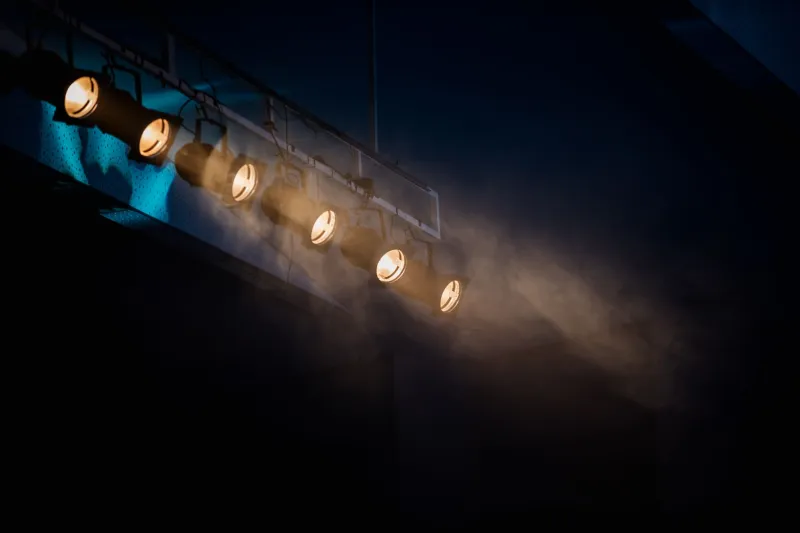
There's a moment — and if you've experienced it you'll know exactly what we mean — when the lights in a theatre drop to absolute black, and you become acutely aware of just how close the stranger next to you is sitting. No remote control. No pause button. Whatever is about to happen on that stage is happening right now, in the same air you're breathing. That's the specific, irreplaceable terror that British stage horror has been quietly weaponising, and in 2024 it feels like the rest of the country is finally catching on.
Horror theatre isn't new, of course. Grand Guignol traditions have roots stretching back over a century, and British pantomime has always had a gleefully macabre streak running through its seasonal spectacle. But what's happening now feels different — more ambitious, more visceral, and frankly more frightening than anything the genre has managed on British stages in living memory.
The West End Wakes Up
For years, London's West End was largely allergic to genuine horror. The odd gothic musical would surface — Sweeney Todd endures as a perennial favourite — but the kind of slow-burn dread or full-throated supernatural terror that British horror fans crave was largely absent from the big venues. That's changed with some force.
Productions adapted from beloved horror properties have been landing in theatres with increasing confidence, and the audiences turning up aren't just curious theatre-goers hedging their bets. They're horror fans — people who've grown up on Hammer films, who've binged every season of Inside No. 9, who know their M.R. James from their Algernon Blackwood — and they're bringing an appetite that commercial theatre is beginning to recognise as genuinely bankable.
More significantly, original horror productions are finding their footing too. Companies are commissioning new work that doesn't lean on existing IP, trusting that the genre itself is enough of a draw. That's a meaningful shift in confidence.
What the Stage Does That Screen Simply Cannot
Ask any performer who's worked in both horror film and horror theatre, and they'll tell you the same thing: the relationship with an audience is categorically different when you're sharing physical space.
"On screen, you're performing for a camera and hoping the edit does its job," explains one actress who recently appeared in an immersive horror production in Edinburgh's Old Town. "On stage, you can feel when the audience is scared. You can hear them. That feedback changes everything about how you perform — it's genuinely reciprocal in a way that filming never is."
That reciprocity is at the heart of why stage horror lands so differently. When an actor moves toward the front row, there's nowhere for those audience members to go. When a sound designer floods a Victorian theatre with subsonic dread, every single person in that building feels it in their chest simultaneously. The communal, unmediated nature of live performance amplifies horror in ways that even the most sophisticated home cinema setup can't replicate.
Immersive theatre companies — Punchdrunk being the obvious pioneer, but dozens of smaller outfits following in their wake — have pushed this further still, dissolving the boundary between performer and audience entirely. When you're wandering through a converted factory in Shoreditch with a masked figure following you through the dark, the horror isn't something you're watching. It's something you're in.
Regional Stages Taking the Lead
While the West End attracts the headlines, some of the most genuinely exciting horror theatre work is happening well outside the M25. Bristol Old Vic has developed a reputation for staging work that sits in the uncomfortable space between psychological thriller and outright horror. Northern Stage in Newcastle has commissioned new writing with a distinctly gothic sensibility rooted in north-east folklore. In Scotland, companies are mining the country's rich tradition of supernatural storytelling — selkies, the second sight, the particular bleakness of Highland winter — and bringing it to stages with a rawness that feels urgent rather than nostalgic.
This regional energy matters because it reflects something true about British horror more broadly: it has always been local. The fears that animate the best British horror fiction and film are specific — they belong to particular landscapes, particular class anxieties, particular histories. Regional theatre is uniquely positioned to honour that specificity in a way that a West End production designed for international tourist audiences sometimes struggles to.
The Performers Driving It Forward
The actors choosing to work in horror theatre are, by and large, not doing it for the career cachet. Stage horror remains a niche pursuit in industry terms. They're doing it because it demands something of them that other work doesn't.
"You have to be completely present," says one performer who has appeared in several site-specific horror productions across the UK. "There's no safety net. If a scare doesn't land, you feel it immediately and you have to adapt. It keeps you incredibly sharp as a performer, but it's also genuinely exhausting in the best possible way."
Physical commitment is a recurring theme. Stage horror often requires performers to sustain extreme physical and emotional states across multiple performances a week — something that would simply be impractical in a film shoot where takes can be repeated and schedules adjusted. The stamina required is considerable, and the performers who thrive in this environment tend to have a specific kind of fearlessness that's worth celebrating.
Casting in horror theatre has also, quietly, become more interesting than in many other genres. Productions are increasingly looking for performers who can hold genuine menace without relying on the conventional markers of screen villainy — the sneering voice, the telegraphed threat. On stage, stillness can be more frightening than movement. Silence can be more unsettling than a scream. The performers who understand this instinctively are finding a home in this new wave of productions.
Where It Goes From Here
The honest answer is that nobody quite knows, and that uncertainty is part of what makes this moment feel electric. Horror theatre in Britain is still finding its shape. The commercial infrastructure — the producers willing to back original horror work at scale, the venues comfortable with genuinely challenging material — is developing, but it isn't fully formed yet.
What's clear is that the appetite exists. Horror fans are a loyal, enthusiastic, and underserved audience in theatrical terms. They will travel. They will come back. They will tell everyone they know about an experience that genuinely frightened them, because that experience is rare and precious and not something you forget.
British horror has always found ways to survive and reinvent itself — through the Hammer years, through the video nasty panic, through decades of critical dismissal, and out the other side into genuine cultural respectability. The stage feels like the next frontier in that ongoing story. And if the early signs are anything to go by, it's going to be absolutely terrifying.
In the best possible way, naturally.