Turn the Dial to Terrified: Why BBC Radio Drama Is Horror's Most Underrated Playground
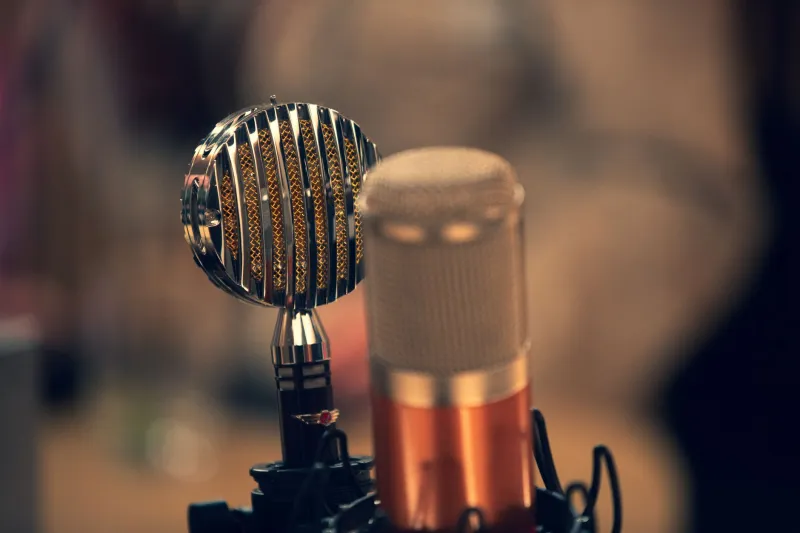
There's a particular kind of dread that no film can fully replicate. It arrives when you're alone in the kitchen, washing up, half-listening to the radio — and something in a voice, a sound effect, a sudden silence, makes the hair on the back of your neck stand up. No jump cut. No prosthetic monster. Just your own imagination doing the heavy lifting, and doing it far more efficiently than any special effects budget ever could.
BBC Radio 4 has been quietly exploiting that phenomenon for decades. While horror fans debate the merits of the latest Netflix supernatural series or argue about which Hammer restoration deserves a cinema re-release, a dedicated community of producers, writers, and performers has been crafting some of the most genuinely unsettling horror content in Britain — and broadcasting it into living rooms, car stereos, and earphones across the country without so much as a content warning.
The Invisible Stage
What makes radio drama such fertile ground for horror? The answer, producers will tell you, is deceptively simple: the listener's imagination is always the most frightening thing in the room.
When you watch a horror film, the monster is defined the moment it appears on screen. It has a shape, a size, a texture. Whatever the creature designer has built — however brilliant — it becomes the ceiling of your fear. Radio offers no such ceiling. A sound, a half-described shape, a character's terrified reaction to something the audience never fully perceives — these elements combine to create a threat that exists entirely in the mind, tailored by each listener's personal archive of dread.
Producers at BBC Radio Drama have long understood this. The corporation's archive is peppered with adaptations and original works that weaponise silence, ambient sound, and carefully constructed vocal performance to create atmosphere that big-budget screen horror frequently fails to match. M.R. James adaptations have been a staple for good reason — the scholar-ghost story tradition, already reliant on suggestion over spectacle, translates almost perfectly to audio. But the medium's potential stretches far beyond literary adaptation.
Radio 4 After Dark
It would be easy to dismiss Radio 4 as the home of The Archers and afternoon book readings — cosy, middle-England content for a certain kind of listener. That reputation, while not entirely undeserved, obscures a genuine tradition of risk-taking drama. The station's Afternoon Drama and Saturday Drama slots have, over the years, broadcast work that would sit comfortably alongside anything the horror genre has produced in any medium.
Original horror commissions have explored everything from folk horror set in the Scottish Highlands to psychological thrillers rooted in urban paranoia. What distinguishes these pieces from their screen equivalents isn't just the absence of visuals — it's the intimacy. Radio drama arrives directly into your ear. There's no screen to put distance between you and the story. The voice of a character experiencing terror becomes, in a very literal sense, a voice inside your head.
That intimacy raises the stakes considerably. Writers working in audio horror speak about the responsibility that comes with the format — the knowledge that there's nowhere to hide, no visual spectacle to distract from a weak script. Every word has to earn its place. Every sound design choice has to serve the story. The discipline the medium demands tends to produce tighter, more purposeful writing than formats where atmosphere can be purchased through cinematography.
The Sound of Fear
Sound design in radio horror is an art form that rarely receives the credit it deserves. The teams working on BBC Radio drama productions operate with a toolkit that has evolved significantly — from the classic Radiophonic Workshop techniques that shaped early broadcast horror to the sophisticated digital production available today. The results can be extraordinary.
Consider what a skilled sound designer can do with something as simple as footsteps. Their pace, their surface, whether they stop or continue, whether they're joined by a second set — a sequence of footstep sounds can carry an entire scene's worth of narrative and dread. Add a performer's breathing, a distant sound that might be wind or might be something else entirely, and the listener is doing more imaginative work than any film audience asked to watch a monster stalk a corridor.
Voice performance in radio horror also occupies a different register to screen acting. Without physical presence to anchor a performance, actors must convey everything through vocal texture. The best radio horror performances are masterclasses in restraint — the fear that enters a character's voice before they've consciously acknowledged what they're afraid of, the slight catch in a sentence that tells you something is deeply wrong before the script makes it explicit.
A Tradition Worth Celebrating
Britain has a uniquely rich relationship with audio horror. The BBC's willingness to commission challenging dramatic work across its radio output has created a body of material that horror fans have largely failed to claim as their own — perhaps because it doesn't arrive in the formats the community is accustomed to celebrating. There are no midnight screenings of classic Radio 4 dramas. No limited-edition vinyl releases of celebrated sound design. No retrospective seasons at the BFI.
That's beginning to change, slowly. The explosion of interest in horror podcasting — itself a form of audio drama — has introduced younger audiences to the pleasures of sound-based storytelling. Some of those listeners are finding their way back to the BBC archive, discovering decades of material that predates and in many cases surpasses what the podcast boom has produced.
The BBC Sounds platform has made archive radio drama more accessible than at any previous point, and the corporation continues to commission new horror-adjacent work. For horror fans willing to adjust their expectations — to engage with a medium that demands active imagination rather than passive viewing — the rewards are considerable.
Why It Matters
Horror, at its best, is about what we can't see. The threat in the shadows. The implication of something wrong before the full picture reveals itself. Radio drama, almost by accident of its format, embodies those principles more completely than any other storytelling medium. The darkness is always total. The monster is always just out of reach.
British horror has a long tradition of finding the uncanny in the everyday — the familiar landscape made strange, the trusted institution revealed as something sinister. Radio drama, broadcast into the domestic spaces where British life actually happens, carries that tradition forward in a way that feels genuinely distinct from what screens can offer.
So the next time someone asks you where to find the most interesting horror content being made in Britain right now, you might suggest they put down the remote, turn off the lights, and tune in. The most frightening thing on British horror's landscape might just be something you have to listen for.