Likes, Scares, and Algorithms: How British Horror Fans Became the Scene's Most Powerful Voices
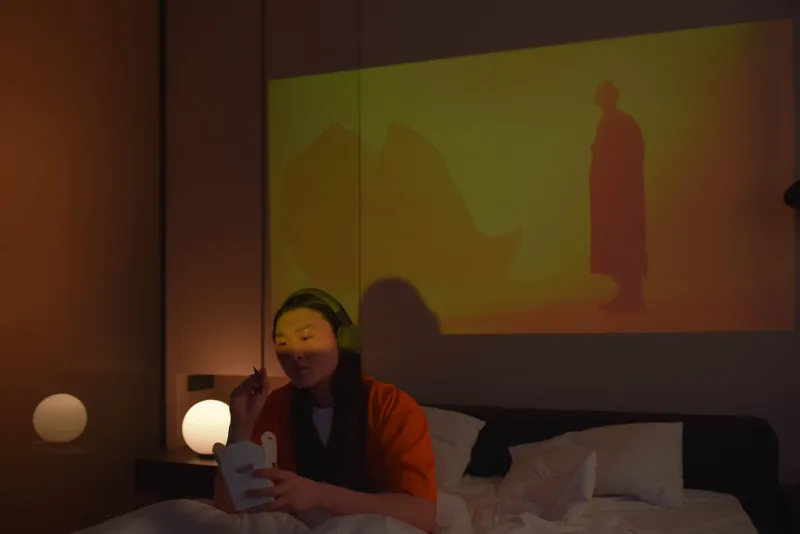
There was a time when your horror opinions lived in a dog-eared copy of Fangoria, a late-night forum thread, or a very specific shelf at your local video shop. You trusted the bloke behind the counter at Blockbuster who always steered you towards something genuinely disturbing, or you waited for a review in a magazine that arrived three weeks after the film you wanted to see had already left cinemas. That world is long gone. In its place, something altogether noisier and more democratic has taken root — and honestly, British horror is better for it.
Across TikTok, Instagram, and YouTube, a loose but increasingly influential network of UK-based creators has emerged, dedicated entirely to horror. Not just the mainstream stuff either. These are people who will spend forty minutes on camera dissecting the rural unease of a 1973 BBC Play for Today, or film a thirty-second TikTok that sends a niche 1980s slasher back into the cultural conversation overnight. They are, in the most genuine sense of the phrase, the new tastemakers.
The Algorithm Did What Critics Couldn't
Ask any of these creators how they got started and you'll hear a version of the same story. They were passionate, they were online, and they noticed a gap. Traditional horror criticism in the UK — while not exactly dead — has always felt slightly detached from the kind of obsessive, encyclopaedic fandom that actually drives the genre. Broadsheet reviews tend to cover horror only when it's already been legitimised by a festival premiere or a prestige streaming deal. The grassroots stuff, the weird regional stuff, the genuinely transgressive stuff — that mostly got ignored.
Creators like Sheffield-based video essayist @GrimNorthHorror or London's @VHSandVenom (to name two of dozens operating right now) built audiences by going exactly where mainstream criticism refused to. Deep cuts from Tigon British Film Productions. Overlooked television chillers from the ITV archives. The entire, gloriously chaotic history of the British video nasty era. Suddenly, people who'd spent years feeling like their tastes were too niche had somewhere to go.
And the numbers, frankly, are startling. Horror content consistently outperforms almost every other genre on TikTok's UK charts. A well-timed video about an obscure Amicus anthology can rack up hundreds of thousands of views within 48 hours. That kind of reach is something even the most respected horror publication in the country would struggle to match on any given day.
More Than Just Recommending Films
What separates the best of these creators from simple recommendation accounts is the genuine critical thinking happening underneath the surface. Yes, there's plenty of "five films you haven't seen" content — and there's nothing wrong with that — but there's also a growing body of video essays, podcast crossovers, and long-form Instagram threads that are doing serious analytical work.
Discussions around representation in British horror, the class politics embedded in films like The Wicker Man or Eden Lake, the question of why so much British horror is fundamentally about landscape and belonging — these conversations are happening in comments sections and Discord servers, not in academic journals. And increasingly, the people steering those conversations are the creators themselves.
Some have moved beyond pure content creation entirely. Several UK horror influencers now programme screenings at independent cinemas, contribute liner notes to physical media releases, or act as consultants for restoration projects. The line between fan and industry professional has blurred considerably, and most of them seem quite comfortable with that.
The Pressure Behind the Post
It would be dishonest to paint this entirely as a good news story, though. The same creators who've built passionate communities around British horror will tell you, usually quietly and usually off the record, that the job is relentless in ways their audiences rarely see.
The horror content cycle moves fast. A new release drops, and you have roughly 72 hours to get your take out before the conversation moves on. Streaming platforms are constantly churning out new material, and the expectation — from algorithms, from followers, sometimes from the platforms themselves — is that you'll keep pace. For creators who genuinely care about doing thoughtful work, that tension between depth and speed is a constant source of stress.
There's also the uncomfortable reality of brand partnerships and promotional content. Horror is a marketable genre, and studios have noticed these creators. The pressure to promote new releases, sometimes at the expense of the obscure and independent content that built their audiences in the first place, is something the community talks about more openly now than it did even two years ago. Audiences, to their credit, tend to notice when a creator's enthusiasm feels contractually obligated rather than genuine.
Burnout is real and it's talked about. Several prominent UK horror creators have stepped back from regular posting in the past year, citing exhaustion and a need to reconnect with the thing that started all of this — just watching films they love, without needing to produce content about them.
Gatekeeping and Who Gets to Be a Fan
One of the more interesting dynamics playing out across British horror social media right now is the ongoing tension around gatekeeping. Horror fandom has a long and not entirely flattering history of policing who counts as a "real" fan, and that tendency hasn't disappeared online — it's just found new forms.
The good news is that many of the most visible UK creators are actively pushing back against it. Creators who focus specifically on horror for Black British audiences, or who centre queer readings of classic genre texts, or who approach horror through the lens of disability and chronic illness — these voices are finding real audiences and, crucially, they're changing what the conversation looks like. British horror has always been more diverse in its influences and anxieties than its mainstream reputation suggests, and these creators are making that visible in ways that feel genuinely important.
What Comes Next
It's tempting to wonder how long this particular moment lasts. Algorithms change, platforms rise and fall, and the creator economy has a habit of burning through talent faster than it can replace it. But there's something about the community that's formed around British horror online that feels more durable than a passing trend.
These aren't just content creators. They're archivists, advocates, and genuine enthusiasts who have built something that didn't exist before — a space where loving British horror in all its strange, regional, difficult, brilliant specificity is not just acceptable but celebrated. Whatever the algorithm decides to do next, that community isn't going anywhere.
And somewhere, the ghost of that Blockbuster video shop bloke is probably nodding in approval.