The Real Places That Built Britain's Nightmares: A Horror Fan's Guide to the Locations That Started It All
Every horror story starts somewhere. Not on a page or a screen, but in a moment — usually an uncomfortable one — when a writer or filmmaker looks at something real and thinks: that. That's where the bad thing happens.
Britain is, to put it generously, well-stocked with candidates. Centuries of history, a climate that seems designed to produce low visibility and general unease, and a landscape that shifts from the genuinely beautiful to the quietly threatening without much warning. It's no accident that this island has produced some of the world's most enduring horror fiction. The raw material has always been here, waiting.
We've been digging into the real locations that inspired some of British horror's most iconic fictional settings — and, where possible, finding out how to visit them yourself.
Moorland: Britain's Default Nightmare Setting
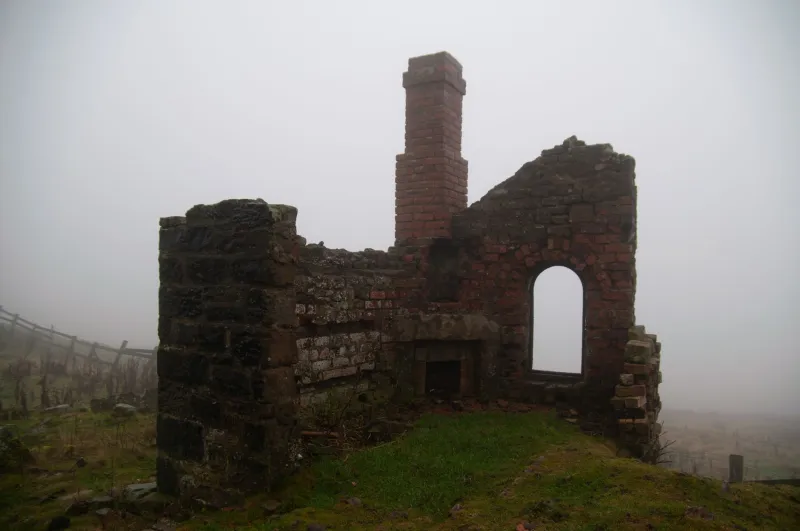
Start with the moors. Dartmoor, the North Yorkshire Moors, Bodmin Moor — each one has fed the British horror imagination in ways that feel almost inevitable once you've stood on one in November, in the rain, as the light fails.
Dartmoor's influence on Conan Doyle's The Hound of the Baskervilles is well-documented, but the moorland's fingerprints are everywhere in British horror. The combination of genuine physical danger — bogs, sudden weather changes, disorienting fog — with an ancient, pre-Christian landscape that feels fundamentally indifferent to human presence creates something that doesn't require much fictional embellishment.
Filmmakers working in folk horror have returned to moorland settings repeatedly, partly for practical reasons (they're dramatic on camera) and partly because they tap into something that feels genuinely primal to British audiences. The moor doesn't care about you. It was here long before you, and it'll be here after. That's a horror premise all on its own.
Visiting: Both Dartmoor and the North Yorkshire Moors are national parks with public access. The Dartmoor National Park Authority maintains walking routes, though solo hiking in poor weather remains genuinely inadvisable — the landscape earns its reputation.
The Derelict Asylum: Architecture as Dread
Britain's 19th-century programme of asylum construction left behind an extraordinary legacy of abandoned institutional architecture. Vast Victorian buildings, often Gothic in style, designed to house and contain — and now empty, decaying, and almost irresistible to horror creators.
Banstead Hospital in Surrey, Severalls in Essex, Cane Hill in South London — these places have appeared in everything from low-budget independent horror films to major television productions. Their physical characteristics do half the work: long corridors, institutional tile, the remnants of lives lived in confinement. You don't need to invent much.
Several writers working in British horror have spoken about visiting these sites during their research process — not for specific details, necessarily, but for the quality of feeling they produce. That particular mixture of sadness, unease, and the overwhelming sense of accumulated human suffering is very difficult to manufacture from description alone.
Visiting: Most former asylums are now either demolished or converted into residential developments. Cane Hill, used in several British horror productions, was largely demolished in 2008, though its water tower remains. Severalls Hospital in Colchester has been partly converted but retains significant original structures visible from public rights of way.
The Isolated Village: Community as Threat
Folk horror's great contribution to the British horror landscape was the inversion of the village. Where the rural settlement had previously functioned in fiction as a refuge from urban threat, folk horror reframed it as the source of danger — a community so tightly bound to its own traditions that outsiders exist only as raw material.
The real villages that inspired this tradition are scattered across Britain, most of them entirely ordinary places that happen to sit in landscapes that encourage a certain kind of thinking. The Wicker Man drew on Scottish island communities. The long tradition of English folk horror pulls from the chalk downlands, the ancient field systems of East Anglia, the hill villages of the Welsh borders.
What these real places share is a quality of self-containment. They feel, even to a contemporary visitor, like places with their own logic — places where the assumptions you've brought from elsewhere don't entirely apply. That's fertile ground for horror, and British writers have been farming it for decades.
Visiting: The Scottish island of Burrow Head in Dumfries and Galloway, where The Wicker Man was filmed, is accessible to visitors. The original Wicker Man structure is long gone, but the landscape remains, and the local area runs tourism around the connection.
Crumbling Country Houses: The Weight of History
No survey of British horror's real-world locations would be complete without the country house. Britain has thousands of them in various states of decay — the legacy of agricultural depression, death duties, and a 20th century that was not kind to the aristocratic estate.
These buildings have fed British Gothic fiction for as long as Gothic fiction has existed. The combination of former grandeur, present ruin, and the sense of a family history that has gone very wrong somewhere along the line is almost a ready-made horror premise. Add a few generations of unhappy marriages, a disputed inheritance, and the particular echo quality of a large empty building, and you're most of the way there.
Notley Abbey in Buckinghamshire, Tyntesfield in North Somerset (now National Trust), and dozens of less famous properties have served as both direct inspiration for fictional settings and as practical filming locations for British horror productions.
Visiting: The National Trust and English Heritage maintain a number of properties that straddle the line between picturesque and quietly unsettling. Calke Abbey in Derbyshire, preserved in a state of deliberate decay, is particularly recommended for horror fans — it feels less like a heritage site than an interrupted life.
The Seaside Town Out of Season
One location type that doesn't get enough credit in conversations about British horror geography: the British seaside resort in winter. Closed arcades, shuttered hotels, a promenade designed for crowds now occupied by wind and the occasional dog walker. Few places in Britain produce such a concentrated atmosphere of melancholy and mild dread.
Whitby, with its Dracula connections, is the obvious example — and it earns its reputation. But Dungeness in Kent, Rhyl in North Wales, and countless other off-season coastal towns have that same quality: the infrastructure of pleasure abandoned, the sense of a place waiting for a season that feels increasingly hypothetical.
British horror has used seaside settings to particularly good effect in recent decades, partly because they allow the landscape itself to carry the emotional weight of the narrative. You don't need to explain why everything feels wrong. The empty deckchair hire kiosks do that for you.
Visiting: Whitby's Goth Weekend (held twice annually) is the obvious pilgrimage for horror fans, but the town is worth visiting out of season precisely because the atmosphere that inspired Stoker is most legible when the tourists have gone home.
Getting Out There
The brilliant thing about Britain's horror geography is that most of it is accessible. These aren't private locations or distant landmarks — they're places you can stand in, walk through, and experience directly. And if you're the sort of person who reads a site called UK Horror Scene, you probably already know that the best way to understand why a place scared someone is to go and let it scare you too.
Just tell someone where you're going first. Particularly if it's the moors.