Earbuds In, Lights Off: How British Podcasters Became the New Masters of Audio Horror
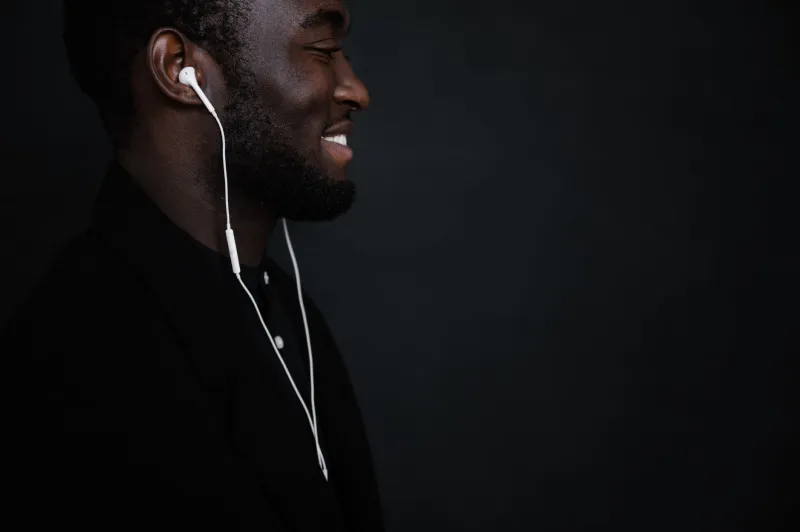
There's a moment, usually somewhere around the second episode of a really good horror podcast, where you stop noticing the commute, the washing-up, the dog barking at nothing outside. The voice in your ears has pulled you somewhere else entirely — somewhere darker, stranger, and considerably harder to shake. If that voice happens to have a British accent, well, you're far from alone in finding that oddly, unsettlingly perfect.
Over the past five years, British horror podcasting has quietly exploded into a genuine creative force. What began as a handful of enthusiastic independents recording in spare bedrooms has grown into a thriving scene producing work that competes — and frequently wins — against big-budget American productions for listener attention worldwide. The numbers are difficult to ignore. British-made horror audio fiction regularly tops genre charts on Spotify and Apple Podcasts not just in the UK, but in the US, Australia, and across Europe. Something is clearly clicking.
But what, exactly?
The Intimacy Advantage
Ask almost any British horror podcast creator why they chose audio over, say, YouTube or short film, and the answer tends to circle back to the same idea: closeness.
"Audio is the most intimate medium there is," says one independent producer behind a long-running British supernatural anthology series with listeners in over forty countries. "You're literally inside someone's head. There's nowhere to hide, and there's nowhere for the audience to hide either. That's terrifying in the best possible way."
It's a point that resonates with horror's deeper history. Britain has always had a rich tradition of ghost stories told in the dark — think M.R. James reading aloud to students by candlelight, or the BBC's beloved tradition of televised Christmas ghost stories that haunted a generation of viewers. Podcasting, in many ways, is simply the latest evolution of that oral tradition. British creators aren't reinventing the wheel so much as rediscovering one that was always theirs.
That cultural inheritance matters more than it might seem. Where American horror audio often leans heavily into high-concept sci-fi horror or slick true-crime adjacent formats, British productions tend to draw from a deeper well of folklore, class anxiety, institutional dread, and the peculiarly domestic horror of things going wrong in very ordinary places. A terrifying podcast episode set in a crumbling council estate, a Victorian asylum, or a fog-soaked moor carries a texture that feels earned rather than manufactured.
Production on a Shoestring — and Proud of It
One of the more remarkable things about the British horror podcast scene is how much of it operates on genuinely tiny budgets. Unlike the American market, where network and streaming money has begun flowing into prestige audio drama, most successful UK horror podcasts are still passion projects — self-funded, independently distributed, and built around small, dedicated teams.
Far from being a limitation, many creators argue this financial scrappiness has sharpened their storytelling instincts considerably.
"When you can't afford twenty sound designers and a Hollywood composer, you learn very quickly what actually scares people," explains one creator whose solo-produced horror fiction podcast has racked up millions of downloads without a single corporate backer. "Silence scares people. The wrong sound at the wrong moment scares people. A voice that hesitates just a beat too long — that scares people. You stop relying on spectacle and start relying on craft."
This emphasis on craft has produced some genuinely innovative work. British horror podcasts have pioneered unreliable narrator formats, epistolary structures built from fictional documents and recorded messages, and slow-burn psychological horror that prioritises atmosphere over jump scares. The medium rewards patience and punishes laziness, and the best British creators have internalised that lesson thoroughly.
The Voices That Haunt You
It would be remiss not to acknowledge the specific quality of British voice talent working in horror audio right now. Whether it's the dry, understated delivery that makes something horrifying sound almost casual, or the particular cadence of a regional accent carrying centuries of local legend, British performers have brought something genuinely distinctive to the genre.
Northern accents carry industrial gothic weight. Welsh voices bring something ancient and mythic. Scottish performers channel a bleakness that feels geographically inevitable. Even standard received pronunciation, in the right horror context, becomes its own kind of weapon — that clipped, controlled tone that suggests someone trying very hard not to scream.
Several British horror podcasts have built devoted international followings almost entirely on the strength of a single performer's voice. The parasocial intimacy that audio creates means listeners often describe feeling like they know these narrators personally — which makes it all the more effective when those narrators start to unravel.
Community, Collaboration, and the Discord Generation
Another factor driving the British horror podcast boom is the remarkable sense of community that's developed around it. UK horror podcast creators are, by and large, an unusually collaborative bunch. Discord servers, Reddit communities, and informal networks have sprung up connecting creators with each other and with their audiences in ways that feel genuinely reciprocal.
Listeners don't just consume British horror podcasts — they theorise, create fan art, write companion fiction, and in some cases graduate to becoming creators themselves. It's a feedback loop that keeps the scene energised and constantly self-renewing. Several prominent British horror podcasters credit their audiences directly with helping them improve their craft, pointing to listener feedback that shaped story directions or production choices.
This grassroots energy also means the scene is remarkably diverse. British horror podcasting has become one of the more welcoming corners of the genre for LGBTQ+ creators and audiences, for creators from backgrounds underrepresented in mainstream horror, and for stories that centre experiences rarely reflected in big-budget genre productions.
Where It Goes From Here
The inevitable question hanging over any booming creative scene is whether commercial interest will eventually dilute what made it special. There are signs that bigger players are beginning to notice British horror podcasting — licensing conversations, distribution deals, adaptation interest from television and film. Whether that attention enriches the scene or hollows it out remains to be seen.
For now, though, the bedroom studios and the shoestring budgets and the extraordinarily dedicated communities of listeners suggest something with genuine staying power. British horror has always found ways to survive, mutate, and resurface — from the penny dreadfuls of the Victorian era to Hammer's lurid golden age to the folk horror revival of recent years. Audio is simply the latest haunted house it's decided to move into.
And by the sound of things, it's settling in for a very long stay.
Earbuds in. Lights off. Don't say we didn't warn you.